Stable Name Studio · buyer guide
How to count a barn with empty stalls
For worldwide Stable Name Studio orders, count permanent stall identifiers, current horse plates and deliberately purchased blanks separately when the barn has empty stalls. A barn with empty stalls still has the same physical locations, but it may need fewer personalized horse-name plates than stall identifiers.
Reviewed 2026-09-05 · AI-assisted editorial review. General buying guidance; illustrative scenarios are not customer case studies. Images are AI-generated concepts.
Begin with the full location schedule and a separate current occupancy list. Do not delete empty stalls from the numbering system or assume every location needs a named plate today. Record the actual sign purpose for each component. A permanent number can identify an empty stall, while a future horse name remains unknown. The quantity plan should show what is being purchased now without implying that every available space is occupied or that an anticipated horse has already been assigned.
How do you decide what an empty holder should contain?
Ask the barn manager whether unused name positions should remain empty, carry a reviewed blank insert or display an approved neutral label. These choices create different physical order quantities. An empty position is not the same as a purchased blank component.
If blanks are ordered for later personalization, confirm the actual completion process rather than assuming any unused insert can be engraved later. A neutral label should also be intentional; do not make up operational status wording that staff have not approved. Keep occupancy and availability in the stable’s current management system. The decorative identification order should not become an accidental source of misleading operational information.
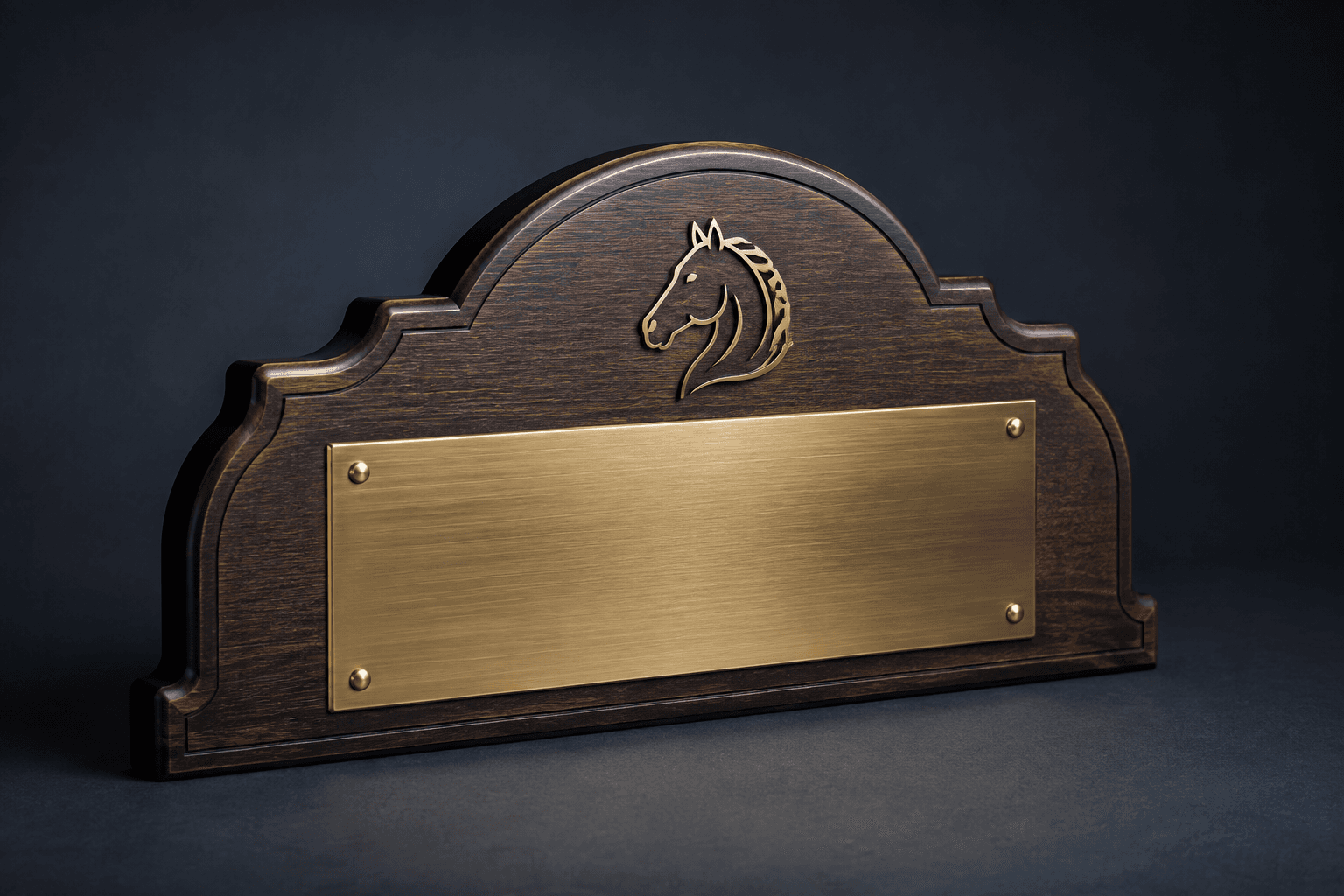
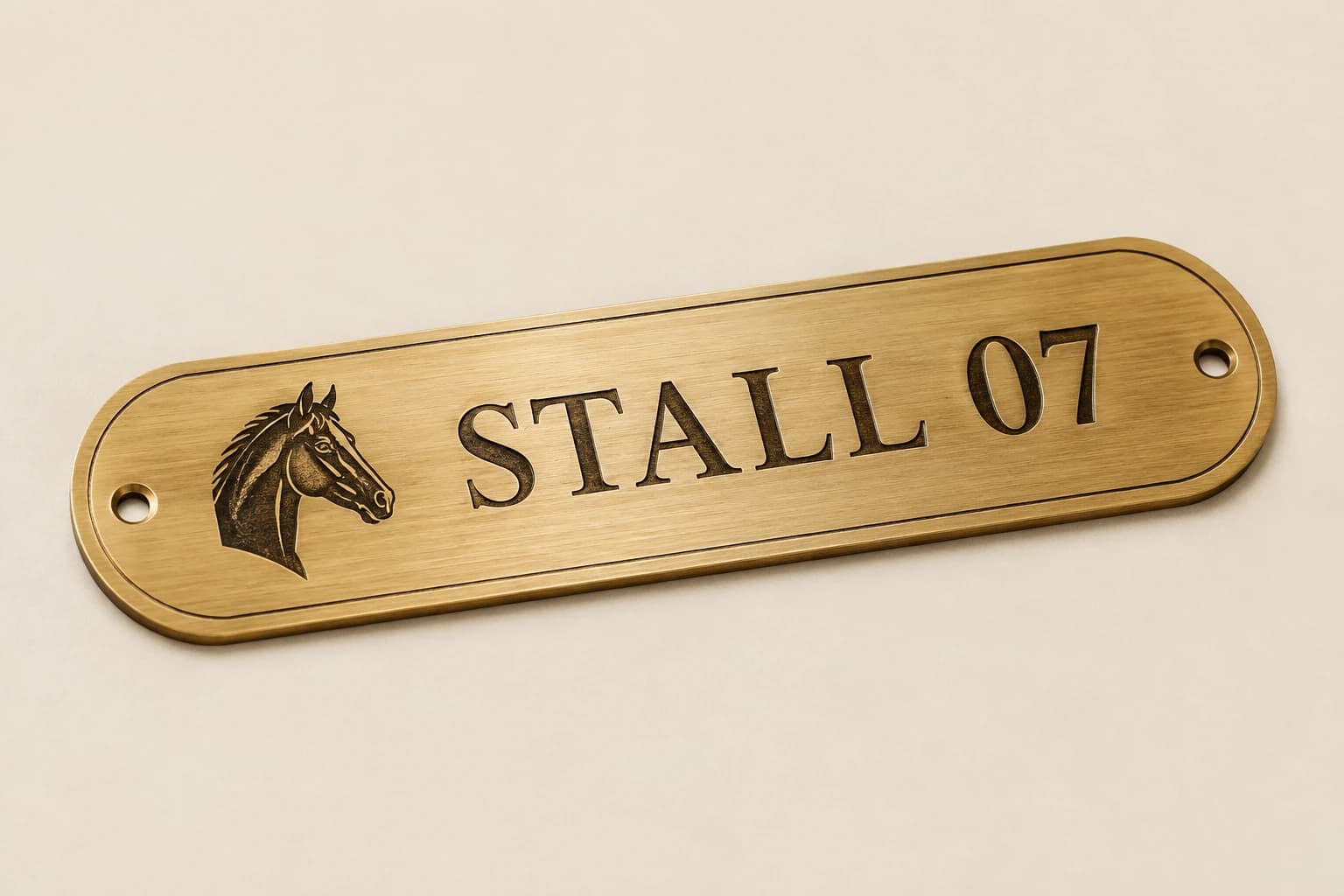
SmartEquine describes a stall nameplate supplied with a holder for changing plates.
How do you reconcile existing usable components before buying new ones?
Inventory the permanent numbers, holders and retained horse plates already available. Some components may remain usable even when a horse has moved, while others may need replacement or a different text. Record each retained item against its location or owner so it is not counted as a new purchase.
If a nameplate belongs to a horse owner, confirm whether it is actually available for the new arrangement. Do not assume everything stored in the barn office is interchangeable stock. The purchasing schedule should distinguish existing components, newly ordered pieces and unresolved items. This lets the coordinator explain why the new order total differs from the barn’s physical capacity.
How do you count shared-area signs outside the stall multiplier?
A feed room, tack area or barn entrance may need a separate identity sign, but it should not be hidden inside the per-stall quantity. Add each approved shared-area piece as its own row with a specific location and purpose. If the same sign is viewed from several approaches, confirm the number of physical components rather than multiplying viewpoints automatically.
Keep operational or regulated notices outside this decorative identity brief unless separately specified and reviewed by the responsible people. A clear inventory describes the actual objects needed for this order. It does not treat every room, doorway and empty stall as an opportunity to add another generic sign.
How do you model a future arrival without ordering an invented name?
Consider what happens when one empty stall receives a confirmed new horse. The permanent number may remain unchanged, while a new name insert or reviewed blank-personalization step is needed. Record that as a future process rather than putting a speculative name into the current release.
If the stable wants spare blank stock, identify its intended use and who controls it. Do not apply an automatic percentage to personalized pieces; an extra engraved nameplate may be useless when the next horse’s identity is unknown. The planning exercise should reveal how the sign system changes with occupancy, not make the current order look more complete by filling every future field.
Plan how to count a barn with empty stalls
Load the fictional example, then replace its inputs with the reviewed details for your project.
Method: Multiply the entered units by physical pieces per unit, then add explicitly entered additional pieces and spares. Quantities do not establish eligibility, fit or product inclusions.
Build your plan
Count shared spaces separately. Record changing animal names, mounting dimensions and exposure conditions before requesting a quote.
Use the article’s example files
Sample rows are illustrative and are not production instructions. Replace their assumptions, keep private records separately and complete the approval fields before using the sheet for a real order.
How do you review quantities and personalization on separate dates?
The manager may know the number of stalls and holders before every horse owner approves a display name. Keep quantity readiness and text readiness as separate statuses. A confirmed count does not authorize an unapproved inscription. If a late arrival changes the occupant list, update the relevant name row and purchase count together, while retaining permanent location identifiers.
Ask the coordinator to review repeated names and multiple-location assignments deliberately. One horse may need more than one plate, but that should be an explicit use rather than a duplicated spreadsheet entry. The released schedule should identify both how many pieces are ordered and which exact words belong on each personalized component.
How do you close the count with locations and stored stock?
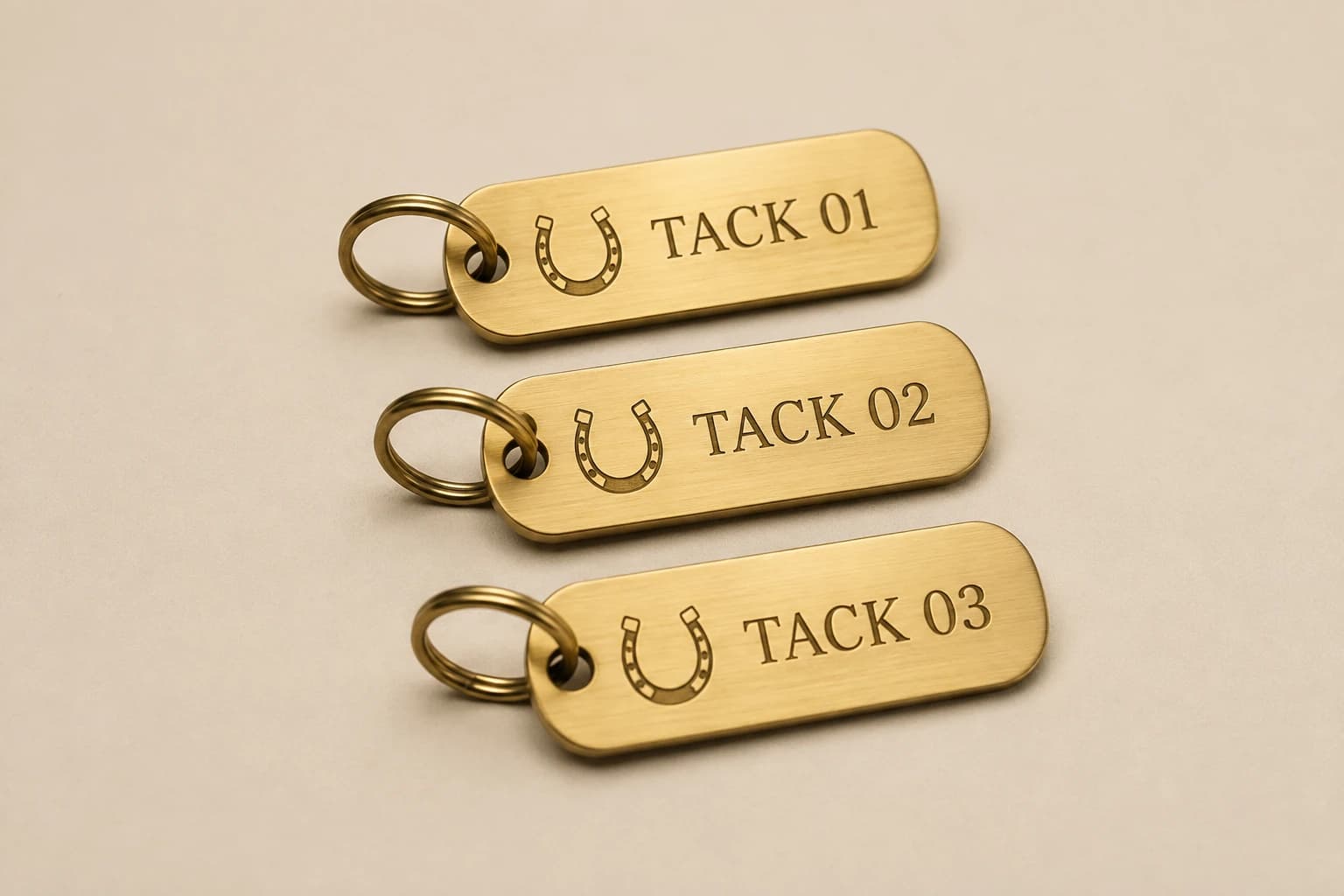
At receiving, separate permanent identifiers, named plates, blank inserts and shared-area signs before comparing the totals. Assign each installed component to its location and each stored spare to an owner. Do not mark the whole barn complete because the carton contains the expected number of pieces if some names remain on hold.
After a horse moves or a blank is used, update the relevant stock and location records. The next order can then start from an accurate inventory rather than a new estimate of empty stalls. A useful sign schedule follows the physical pieces through purchase, placement and later change without confusing capacity with occupancy.
How does the illustrative how to count a barn with empty stalls example work?
A fictional barn has fourteen stalls, nine current horses and existing permanent number signs that will be retained. The manager orders nine new horse-name plates and two separately approved barn-area signs. The five empty stalls receive no new named inserts or blank stock in this order.
The purchase is eleven pieces, while the barn still has fourteen identified locations. Enter nine current horses needing one new nameplate each, two additional barn-area signs and zero spares. Nine plus two equals eleven purchased pieces. The fourteen existing stall numbers are retained and therefore excluded from the new order. The five empty locations remain in the private location schedule without invented names or implicit blank purchases. If the manager later approves blank stock, add its actual physical quantity as a separate decision.
Current-name order only or Current names plus approved blank stock: which fits this order?
Choose this when permanent identifiers exist and the barn needs plates only for approved current occupants. Choose this when a specific approved later-personalization process makes physical blanks useful. Which locations already have usable components, and which names are actually ready?
| Option | Current-name order only | Current names plus approved blank stock |
|---|---|---|
| Best reason to choose it | Choose this when permanent identifiers exist and the barn needs plates only for approved current occupants. | Choose this when a specific later-personalization process makes physical blanks useful. |
| Main review question | Which locations already have usable components, and which names are actually ready? | How will the blanks be completed, fitted and tracked when a new horse arrives? |
| What to specify | List new personalized plates separately from retained numbers and unassigned future positions. | List named plates, installed blanks and stored spare components as separate purchase and custody rows. |
| Later change | Keep the approved wording and component reference so any later revision can be requested against a known record. Do not assume a photograph alone can recreate the original. | Record which parts remain the same and which would be replaced or updated. Ask for a specific later-change proposal rather than relying on an unconfirmed assumption of interchangeability. |
What should you confirm before ordering?
These Stable Name Studio answers address how to count a barn with empty stalls. Confirm the final wording, component scope and receiving plan in the written proposal. The illustrative worksheet explains the planning calculation; it does not approve the production design or replace the reviewer responsible for this order.
How do empty stalls affect the cost and quantity of an order?
For Stable Name Studio, quote the new physical pieces after separating existing identifiers, current horse plates and any deliberately purchased blanks. Empty capacity does not automatically require a named insert. Dimensions, personalization, shared-area signs and shipping affect the proposal. Confirm the intended blank treatment and design minimum before turning the full stall count into a purchase quantity.
Is an empty position the same as a blank insert?
No. An empty position is space in the identification arrangement, while a blank insert is a physical component bought for an approved purpose. If it is intended for later personalization, confirm the actual completion and fit process. Keep installed blanks, stored stock and unassigned positions as separate worksheet statuses.
Should we order a spare nameplate for every future horse?
Do not engrave speculative names or add an automatic spare percentage to personalized components. Ask the manager whether a specific blank-stock process is useful and approved. A future arrival may need a new name insert while retaining the existing stall number, so capacity planning should remain separate from the current release.
What if the quantity is known before every name is approved?
Record quantity readiness and personalization readiness separately. The coordinator can reconcile the number of physical components while some owner-approved names remain on hold. A confirmed total does not authorize placeholder engraving. Update the relevant row and proof when the final text arrives, preserving the stable location identifier throughout.
How should shared barn signs enter the count?
Add each approved shared-area sign as its own physical row with a location and purpose. Do not hide it in the pieces-per-stall multiplier or add unrelated notices simply because the order is open. The receiving record should distinguish horse plates, permanent identifiers and shared signs so all can reach their intended places.
Sources and scope
The sources below support the cited technical details. The ordering workflows are editorial recommendations. Your project specification, price and schedule are established in the written quote and approved proof.
- SmartEquine: Stall Nameplate - Plastic · checked 2026-09-05
Which buying guide should you read next?
All buying guidesFor worldwide Stable Name Studio orders, keep the stall’s permanent location identity separate from the horse name that may move with its occupant.
For worldwide Stable Name Studio orders, order an insert for the measured stable holder, not for an assumed standard size suggested by its appearance.