Stable Name Studio · buyer guide
Metal versus engraving-plastic horse tack tags
For worldwide Stable Name Studio orders, compare metal and engraving-plastic tack tags by their actual material grade, marking method and intended storage or handling conditions. A metallic appearance does not prove a metal construction, and a general outdoor label does not answer every exposure question. Request a proposal for the real tag use before choosing a finish.
Reviewed 2026-09-05 · AI-assisted editorial review. General buying guidance; illustrative scenarios are not customer case studies. Images are AI-generated concepts.
Define the object or storage position the tag identifies and the reader who uses it. A label on a tack trunk, an equipment bag and a fixed storage hook can face different conditions even within one stable. The Horse Equipment & Tack Tags concept offers aluminum and engraving-plastic directions, but the actual grade and attachment remain to be specified. Keep the tag’s limited identification job clear. It should not replace the stable’s current care records, required equipment information or responsible handling procedures. This guide compares construction choices for that identification layer. It does not prescribe how a tag should be attached to an animal or assess whether an equipment modification is suitable.
How should actual metal be distinguished from a metallic finish?
Ask the proposal to name the substrate and surface treatment separately. A gold-colored engraving plastic, coated aluminum and brass-colored metal description can look related in a small image while referring to different constructions. Do not choose by color name alone.
If the owner specifically wants a metal tag, require that material identification in the quote. If the desired effect is simply a metallic appearance, compare the actual alternatives without implying they are chemically or physically identical. Record any coating or face layer involved in the proposed marking process. The useful specification identifies what the tag is made from and how the identifier is produced on that particular surface.
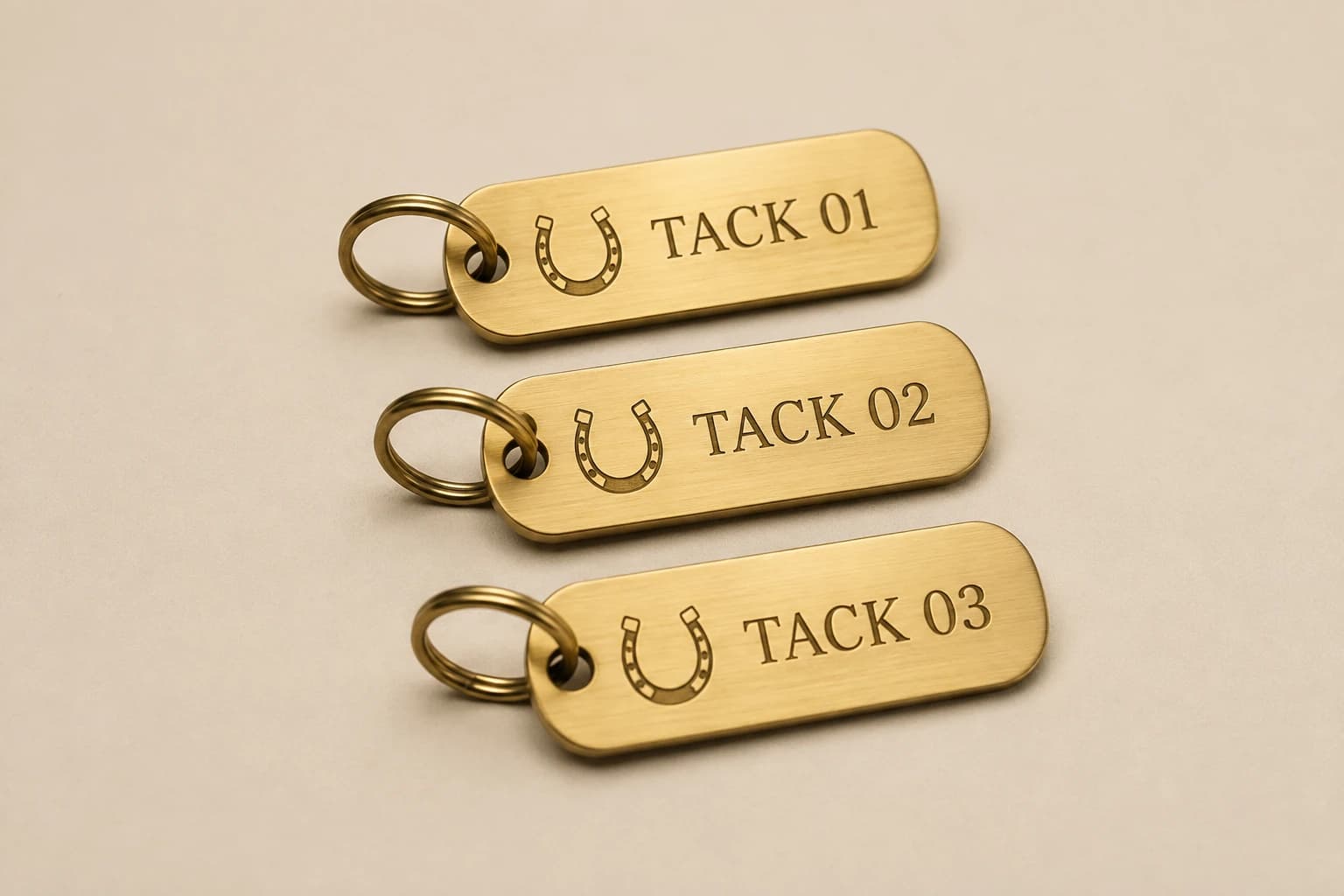

What should the engraving-plastic grade establish?
Request the exact proposed material grade and the manufacturer information relevant to the intended use. Engraving plastic is a broad description, not a single performance specification. Ask which marking method the selected grade is designed to accept and what the supplier can support about its conditions of use.
Keep UV stability and broader weather exposure questions distinct rather than treating one label as a complete durability answer. Do not copy a general manufacturer lifespan or a different product’s resistance statement into the tack-tag order. The stable manager should describe the actual environment, while the supplier identifies the grade proposed for it and any unresolved suitability questions that need further review.
Rowmark distinguishes UV stability from outdoor weatherability in its material glossary.
Sources: Rowmark: Material Glossary
How should cleaning and handling conditions enter the brief?
Describe the real storage location, expected moisture exposure and the cleaning approach the responsible stable team uses around the tag. Ask the supplier which information is needed to review the proposed material and marking against those conditions. Do not prescribe a universal cleaner or assume an attractive face finish is compatible with every product used in a barn.
A tag stored inside a trunk can have a different brief from one on an exposed storage rack. Keep incidental handling and any contact with other equipment visible as context. If a placement or attachment raises an animal-handling or equipment question, have the appropriate responsible person review that specific arrangement before release.
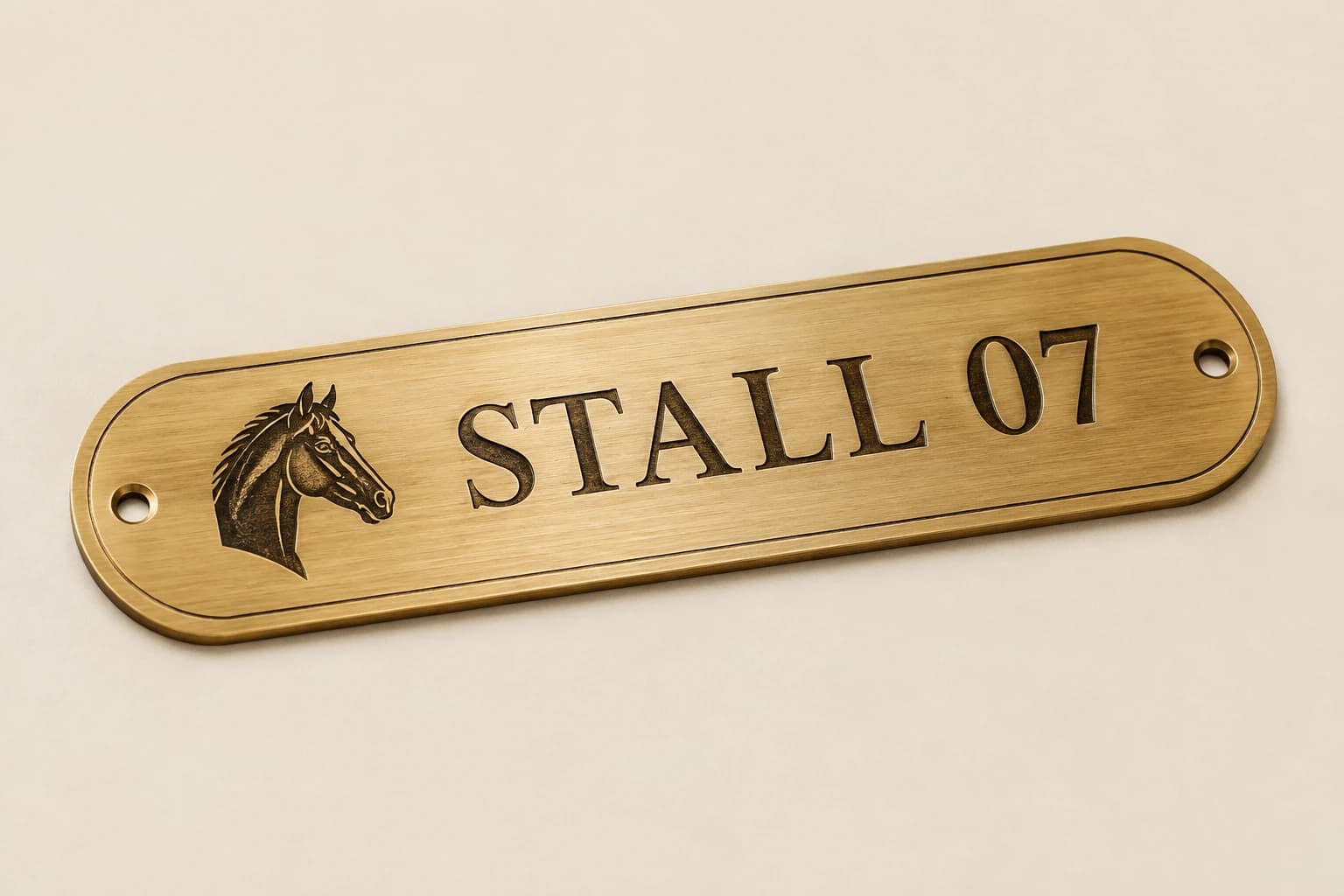
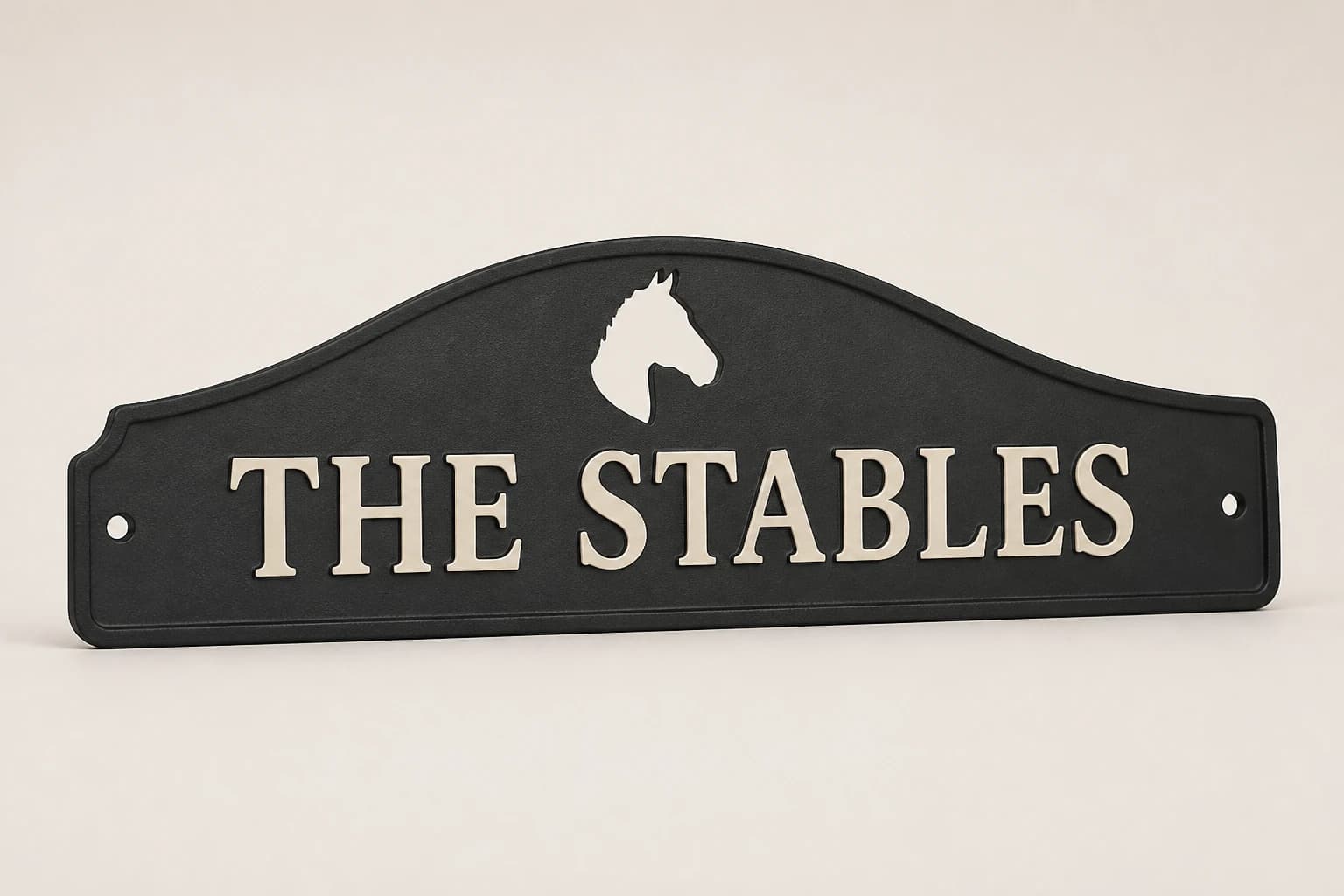
What should a marking sample demonstrate?
Use the actual approved identifier pattern and proposed face treatment when asking for a representative sample. The smallest essential characters and any separator should remain recognizable in the selected layout. A blank material chip can show color but cannot demonstrate the identifier’s appearance after marking.
Ask whether the sample represents the proposed grade, surface and process, and identify any associated charge. If the tag has two color layers or a coating, the supplier should explain the intended visible result without requiring the buyer to infer it from a catalog swatch. Do not describe one favorable sample as proof of unlimited wear resistance. It answers the specific appearance question for the actual proposal.
How should the tag and attachment be quoted?
Request the tag dimensions, actual material grade, marking, edge treatment and proposed attachment interface as separate fields. Identify whether any attachment component is supplied and who reviews its use at the intended location. A hole shown in a concept image does not establish a complete or appropriate fastening arrangement.
No Stable Name Studio price range or minimum for this specific tag configuration is established here; request those figures against the actual scope and quantity. Compare complete tag proposals rather than a bare plastic face price with a metal tag that includes additional components. If the stable chooses an identification label instead of a hanging tag, obtain a revised construction description rather than improvising from the original drawing.
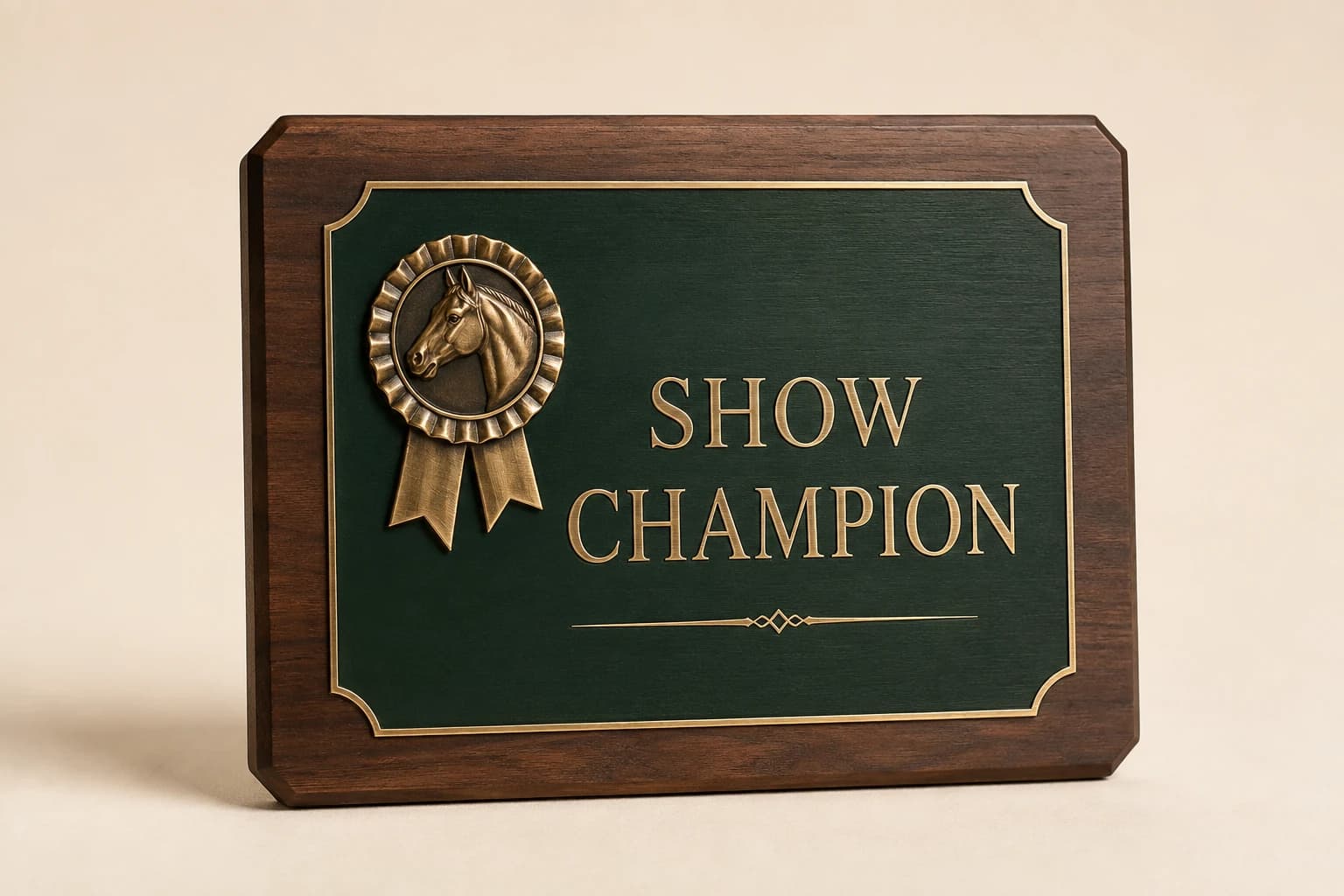
Use the article’s example files
Use the worked comparison as a starting point. Replace its hypothetical dimensions and choices with the supplier’s actual proposal and the owner’s approved requirements.
What should a later replacement request preserve?
Retain the actual material and marking references along with the approved identifier and intended use. A tag that merely looks similar may not represent the same grade or surface treatment. If the storage conditions change, review the new context before reusing the previous proposal.
Keep the equipment identity separate from any temporary location note so a move does not automatically require a new tag. When a replacement is requested because the original appearance has changed, describe the actual condition and ask for a specific response rather than rewriting the material record to match an assumption. The saved brief should make the next comparison concrete enough for the supplier and stable manager to discuss the same object.
How does the illustrative product-selection example work?
In a fictional stable brief, the owner requires an actual metal substrate for a set of tack-trunk identifiers. Proposal A is described as brushed aluminum; Proposal B is a silver-colored engraving plastic. Both can be discussed as appearance options, but only Proposal A meets that expressly stated material requirement before any other suitability question is reviewed.
The independent decision follows the brief’s wording rather than a price or color score: aluminum is a metal description, while the other proposal explicitly identifies plastic. The coordinator advances A for marking, cleaning and attachment review and keeps B as an alternative only if the owner changes the substrate requirement. Neither proposal is fully approved by this classification. The worksheet records the required substrate, proposed material, supporting document and outstanding conditions. If the owner’s real priority were simply a silver appearance, both could remain candidates. That changed requirement must be stated deliberately rather than inferred from a similar-looking catalog image.
Optional calculation: Compare the proposed material descriptions
Which proposed construction fits the intended use?
Compare an actual metal tag, a metallic-look engraving plastic and another specified plastic grade by substrate and marking evidence. Similar colors do not create equivalent constructions. The supplier should identify the proposed grade and relevant use information, while the stable provides the real storage, cleaning and attachment context for review.
| Option | Specified metal tag | Metallic-look engraving plastic | Other specified engraving-plastic grade |
|---|---|---|---|
| Best reason to choose it | Choose this when an actual metal substrate is part of the owner’s intended construction. | Choose this when the desired metallic appearance can be supplied through an explicitly identified plastic construction. | Choose this when the actual grade and color treatment fit the reviewed identification brief. |
| What the buyer must review | Review the named metal, coating or finish and the actual identifier marking for the intended conditions. | Confirm the grade and face treatment rather than allowing a color name to imply metal. | Review manufacturer use information, sample marking and unresolved cleaning or exposure questions. |
| What the quote should identify | Identify material and surface separately, plus dimensions, marking and attachment scope. | Identify the plastic substrate, decorative surface and proposed marking method in ordinary language. | Identify the exact grade, intended conditions and relevant evidence rather than a generic outdoor claim. |
What should you confirm before requesting this product?
Confirm whether the buyer requires a particular substrate or simply a visual finish, then identify the actual grade and marking method proposed. The stable’s conditions should guide the evidence request. Keep appearance, exposure and attachment questions separate so a familiar metallic color or broad outdoor label does not silently answer the entire tack-tag brief.
What affects the cost of metal versus engraving-plastic tack tags?
Ask Stable Name Studio to quote the exact substrate and grade, dimensions, marking, edge treatment, attachment components and shipping, including the applicable minimum or range. A metallic color does not identify the construction. Compare complete proposals with the same use brief rather than assuming every silver-looking tag belongs in one material price category.
Is a metallic-looking tag necessarily metal?
No. The proposal may describe a plastic substrate with a metallic-looking face. Ask the supplier to state substrate and finish separately. If actual metal is an owner requirement, keep it as a clear selection condition. If appearance alone matters, compare the alternatives honestly without calling the plastic option a metal tag.
Does UV stability answer every outdoor-use question?
Treat it as one material characteristic rather than a complete description of the actual exposure. Ask for the proposed grade’s relevant manufacturer information and describe the tag’s moisture, cleaning and handling context. Do not transfer a broad material statement or another product’s lifespan into an unqualified promise for this stable’s tag.
Should one standard attachment be used on every tack item?
Have the responsible stable manager and appropriate specialist review the actual placement and equipment context. This decorative identification guide does not prescribe animal attachments or approve equipment modifications. The quote should identify what is supplied and which interface remains for project-specific review rather than treating a hole in the tag as a complete solution.
Why does the fictional brief advance aluminum over silver plastic?
Because that fictional owner expressly requires an actual metal substrate. It is a requirement check, not a claim that aluminum is universally better. If the owner only wanted a silver appearance, both proposals could remain candidates. Marking, cleaning compatibility and the intended attachment still need their own evidence before either is released.
Sources and scope
The sources below support the cited technical details. The ordering workflows are editorial recommendations. Your project specification, price and schedule are established in the written quote and approved proof.
- Rowmark: Material Glossary · checked 2026-09-05
Which buying guide should you read next?
All buying guidesIdentify whether the plate belongs on a stall, tack item, display or award before choosing its shape. Measure the usable surface and fixing positions, then confirm the horse's display name and any owner or stable wording. Review exposure and attachment for the specific placement rather than assuming one plate suits every use.
For worldwide Stable Name Studio orders, order an insert for the measured stable holder, not for an assumed standard size suggested by its appearance.